
Word & Character Counter
Count Words and Characters in Real-Time
Use this tool to count words and characters in your text. Simply type or paste your text into the box below, and the counts will update automatically as you type. This is useful for writing assignments, social media posts, email drafts, or any text where you need to track length.
Starting a Daily Writing Practice
If you want to become a better writer, the advice from successful authors is remarkably consistent: write every day. But “write every day” can feel like vague advice when you‘re staring with a blank page. Here are four proven frameworks for beginning a writing practice from celebrated writers.
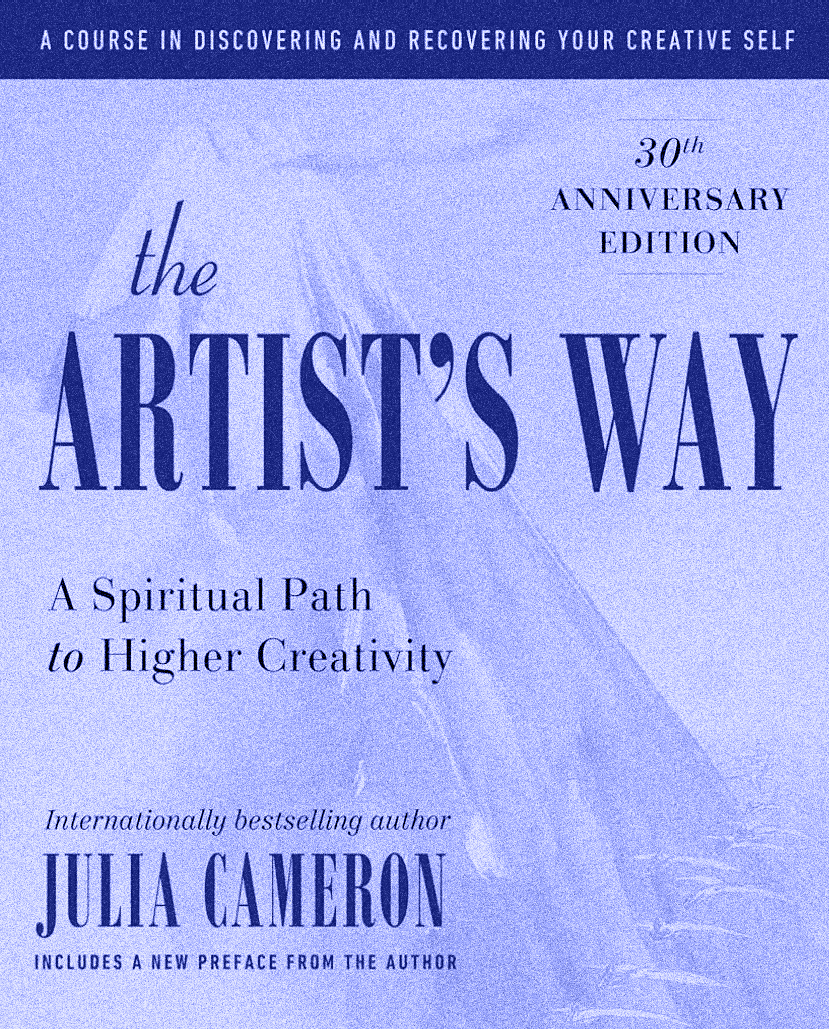
Morning Pages
Julia Cameron introduced this practice in The Artist’s Way (1992), and it has since helped millions of writers and creatives unlock their work. The method is simple: write three pages of longhand, stream-of-consciousness writing first thing every morning. That’s roughly 750 words. The pages aren’t meant to be good—they’re meant to clear the mental clutter that blocks creativity. Write whatever comes to mind, even if it’s “I don't know what to write.” The act of moving your hand across the page is what matters.
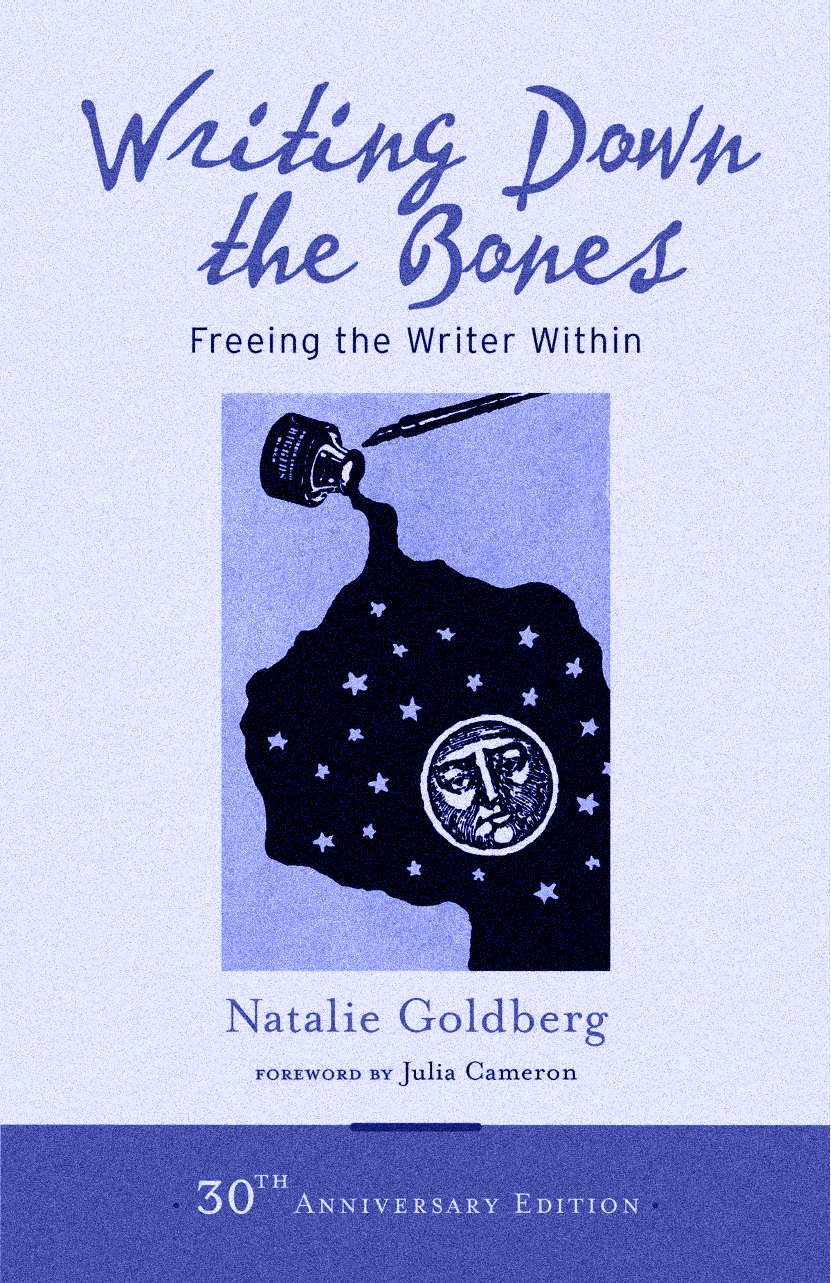
Timed Writing Practice
Natalie Goldberg’s Writing Down the Bones (1986) offers a Zen-inspired approach: set a timer and keep your hand moving until it goes off. Start with ten minutes. Don’t stop, don’t edit, don’t cross anything out, and don’t worry about spelling or punctuation. Write your first thoughts, not the edited, “acceptable” ones. The goal is to lose control, to let yourself say what you actually want to say and your mind wander. The good stuff sometimes emerges when you stop trying to be good.
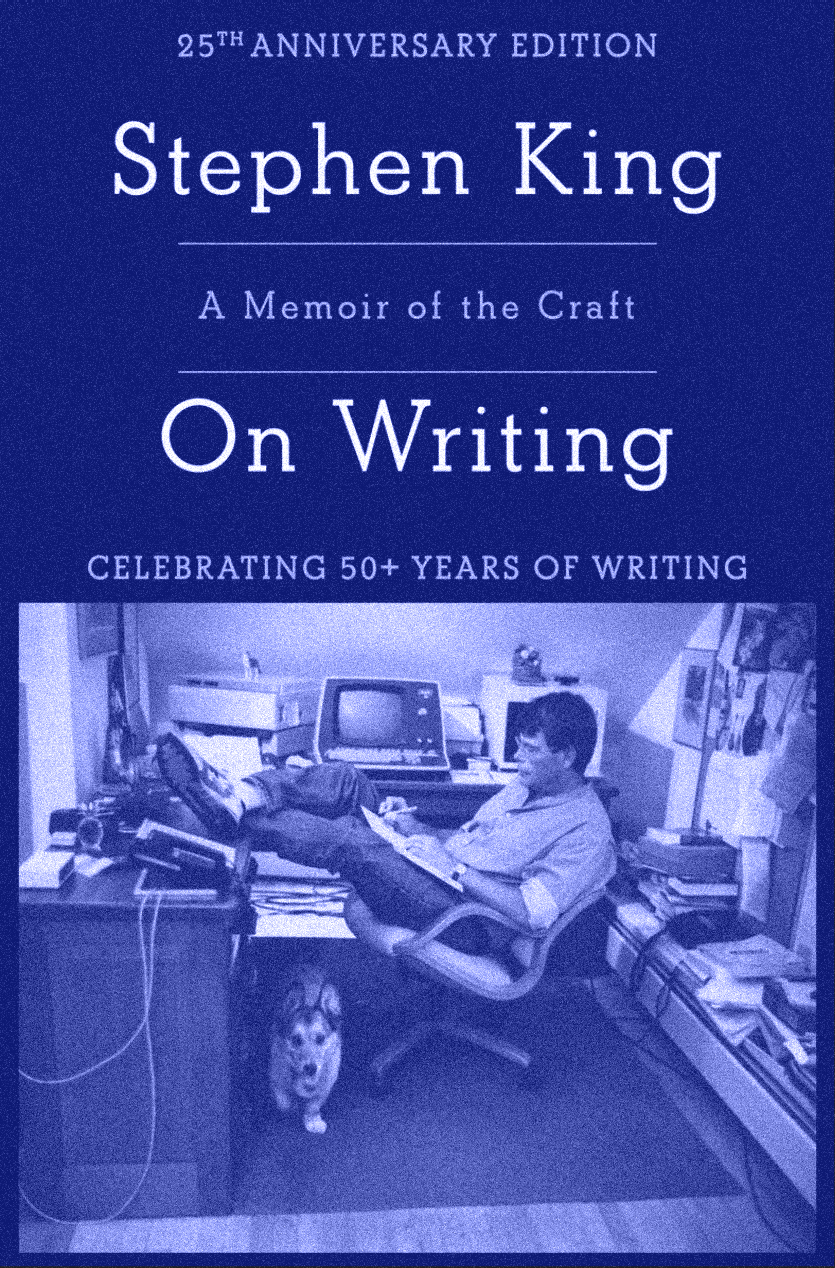
Daily Word Count Goals
In On Writing: A Memoir of the Craft (2000), Stephen King shares his approach: 2,000 words a day, every day, including holidays. That might sound intense, but King emphasizes that you can start smaller—even 1,000 words daily will produce a novel-length draft in about three months. The key is consistency. Writing every day keeps the story fresh in your mind and maintains your momentum. Miss a day, and you spend the next one remembering where you were instead of moving forward.
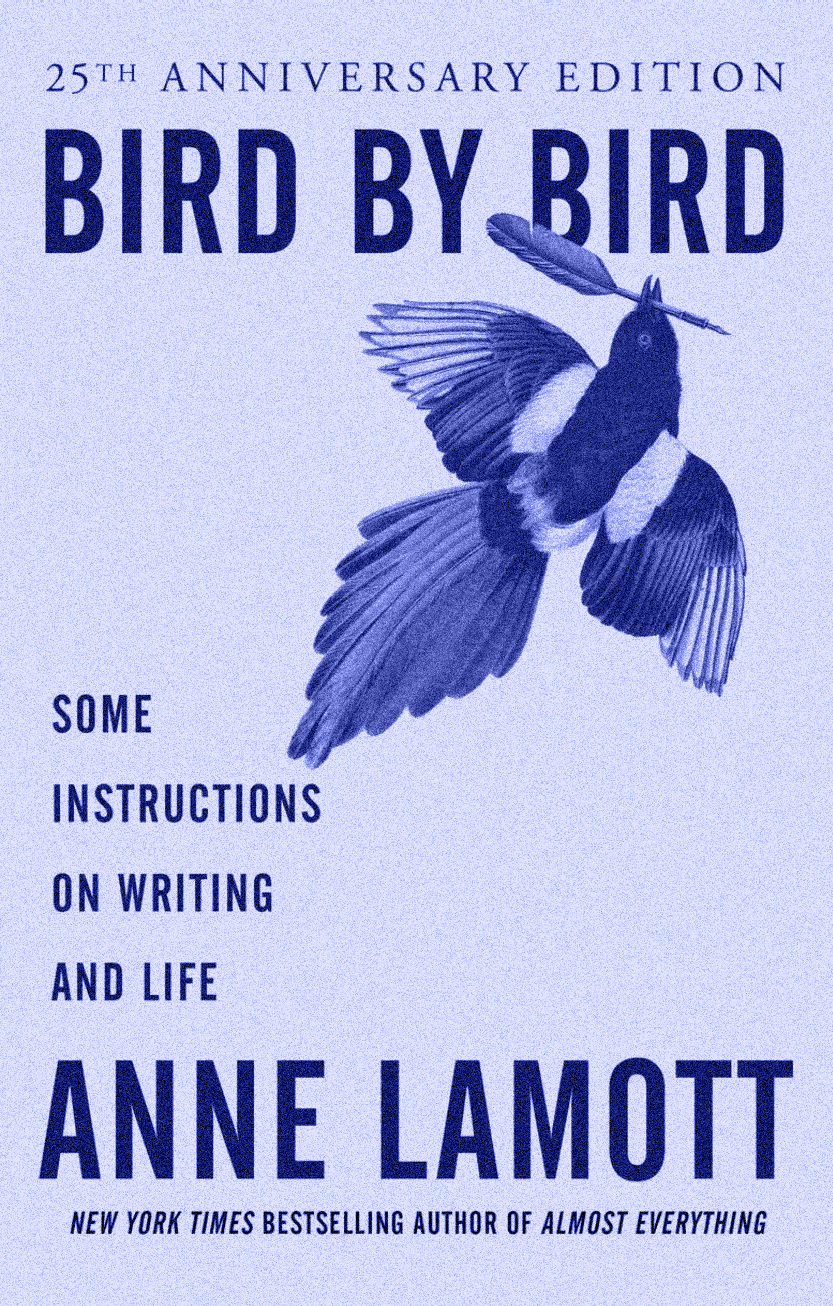
Short Assignments
Anne Lamott’s Bird by Bird (1994) offers comfort for anyone overwhelmed by a big project. Her advice: give yourself short assignments. Don’t think about the whole book—just write what you can see through a one-inch picture frame. Maybe that’s one scene, one memory, one paragraph. And embrace what she famously calls “shitty first drafts.” The first draft is just you telling yourself the story; revision is where the real writing happens. Permission to be bad is permission to begin.
How Long is Long Enough?
Writing can feel overwhelming when you’re staring at a blank page, but most professional writing is actually a lower word count than you would think. For example, the average children’s picture book is just 500-700 words. Goodnight Moon is just about 130 words. You’ve already read more than that just getting to the end of this paragraph!
A typical blog post runs 300-800 words. An Instagram caption maxes out at about 300-400 words, but the most effective ones are often under 150 words. Other social media platforms became famous for limiting their character count—the challenge of packing a lot of meaning into a small snippet of writing can make you a better editor of your work.
If you’re dreaming of writing something longer, know that flash fiction—a legitimate and beloved literary form—is anything under 1,000 words. Short stories range from 1,000 to 7,500 words. Even a novella is just 17,500-40,000 words.
When you’re ready to sit down and write the next Great American Novel, don’t let word counts intimidate you. Set small achievable goals, and celebrate every milestone along the way. A hundred words today is a hundred more than yesterday.